Escape Room Digital Math Games
Lead Product Designer for an award-winning game-based learning system used across the Savvas digital curriculum
Gold — Horizon Interactive Awards, 2026
Training / E-Learning & GamesGDUSA Digital Design Award, 2026
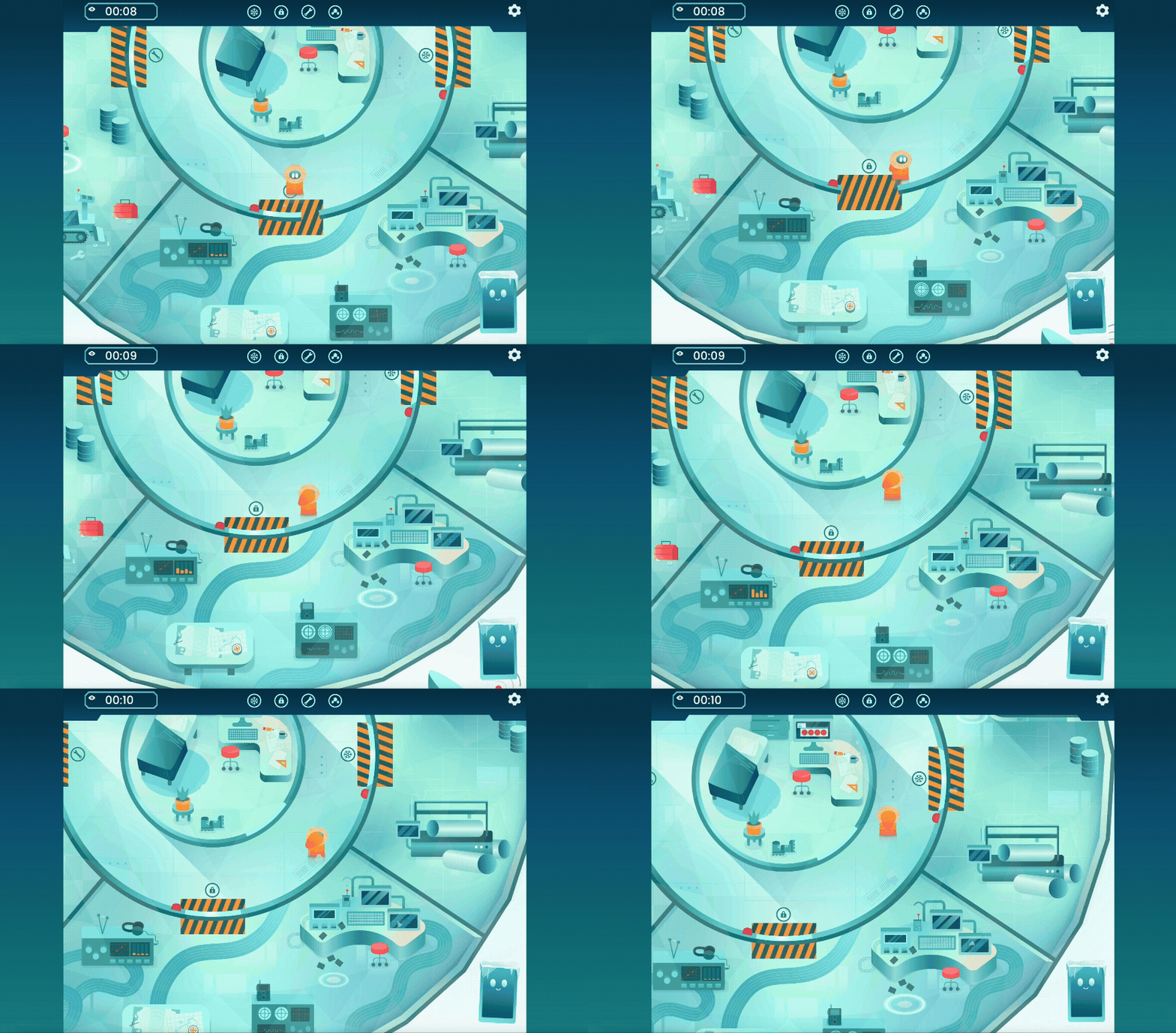
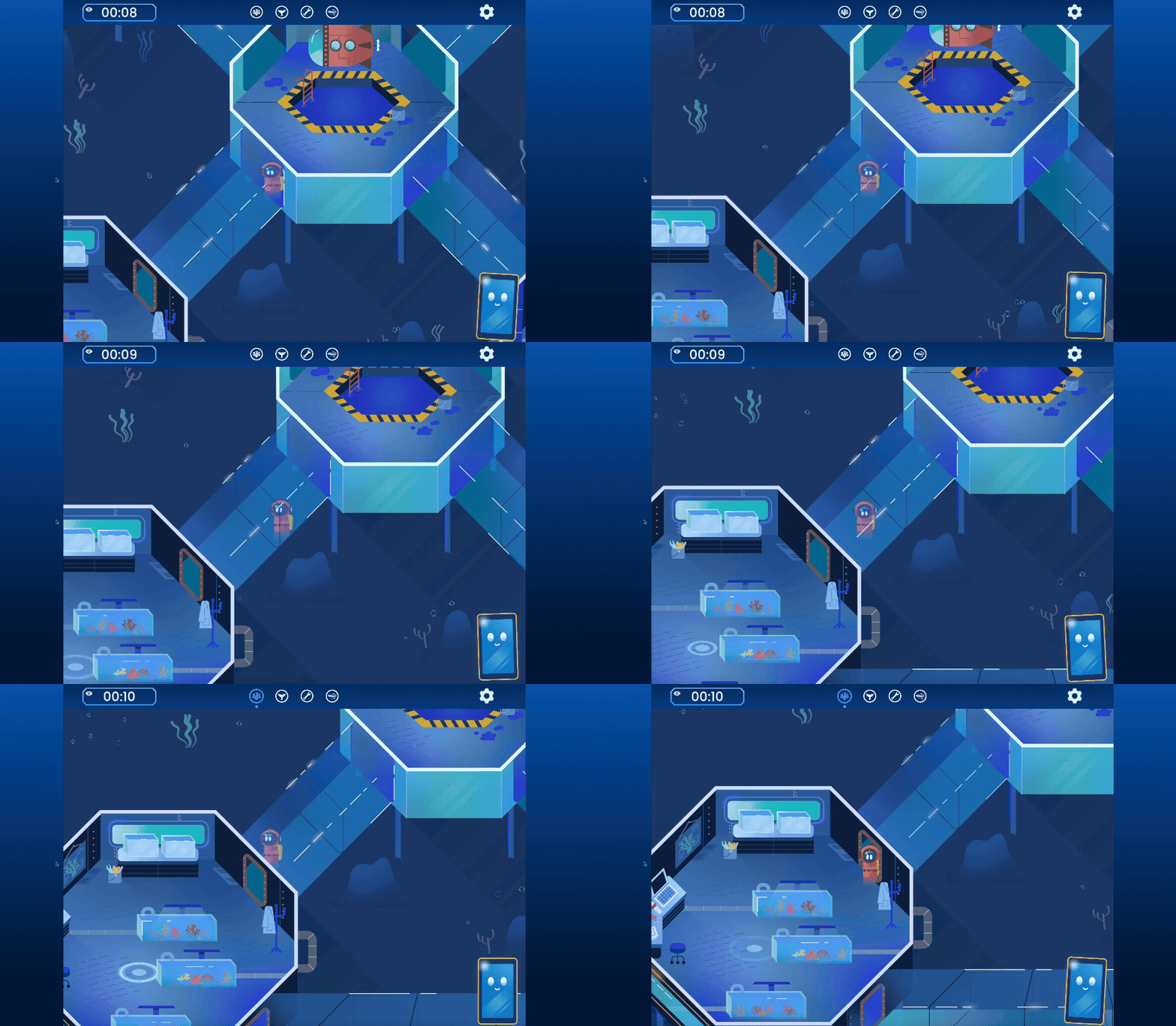
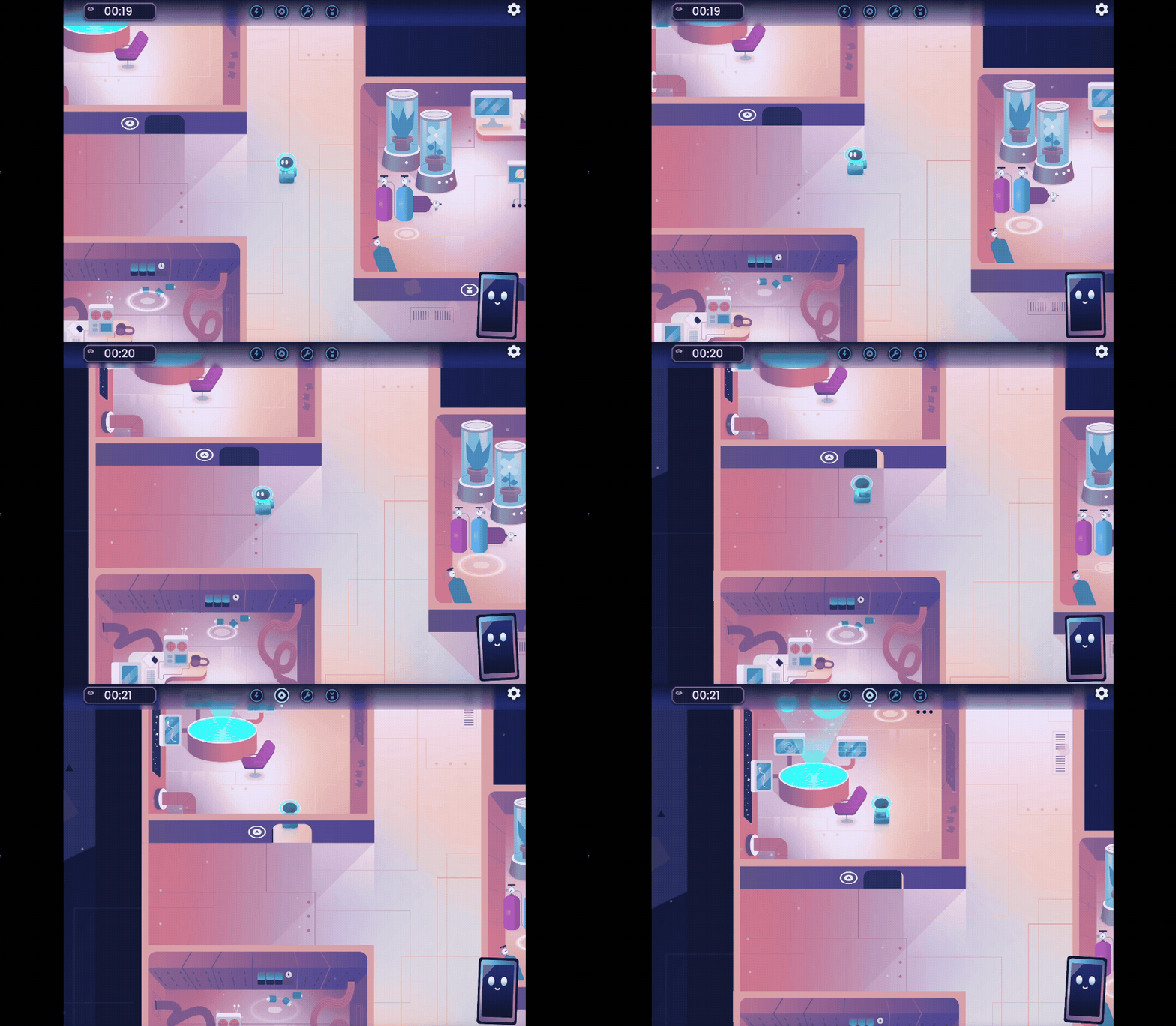
Role: Lead Product Designer
Platform: Web (Built in Unity)
Timeline: 6 months
Team: 2 senior product designers, lead illustrator, lead instructional designer, product management, and two in-house developers.
Tools: Figma, Adobe Illustrator, Adobe Firefly, Adobe Photoshop, Gemini
Overview
The Escape Room project aimed to enhance student engagement in digital math practice by introducing new, immersive, game-based learning experiences within Savvas’ existing platform.
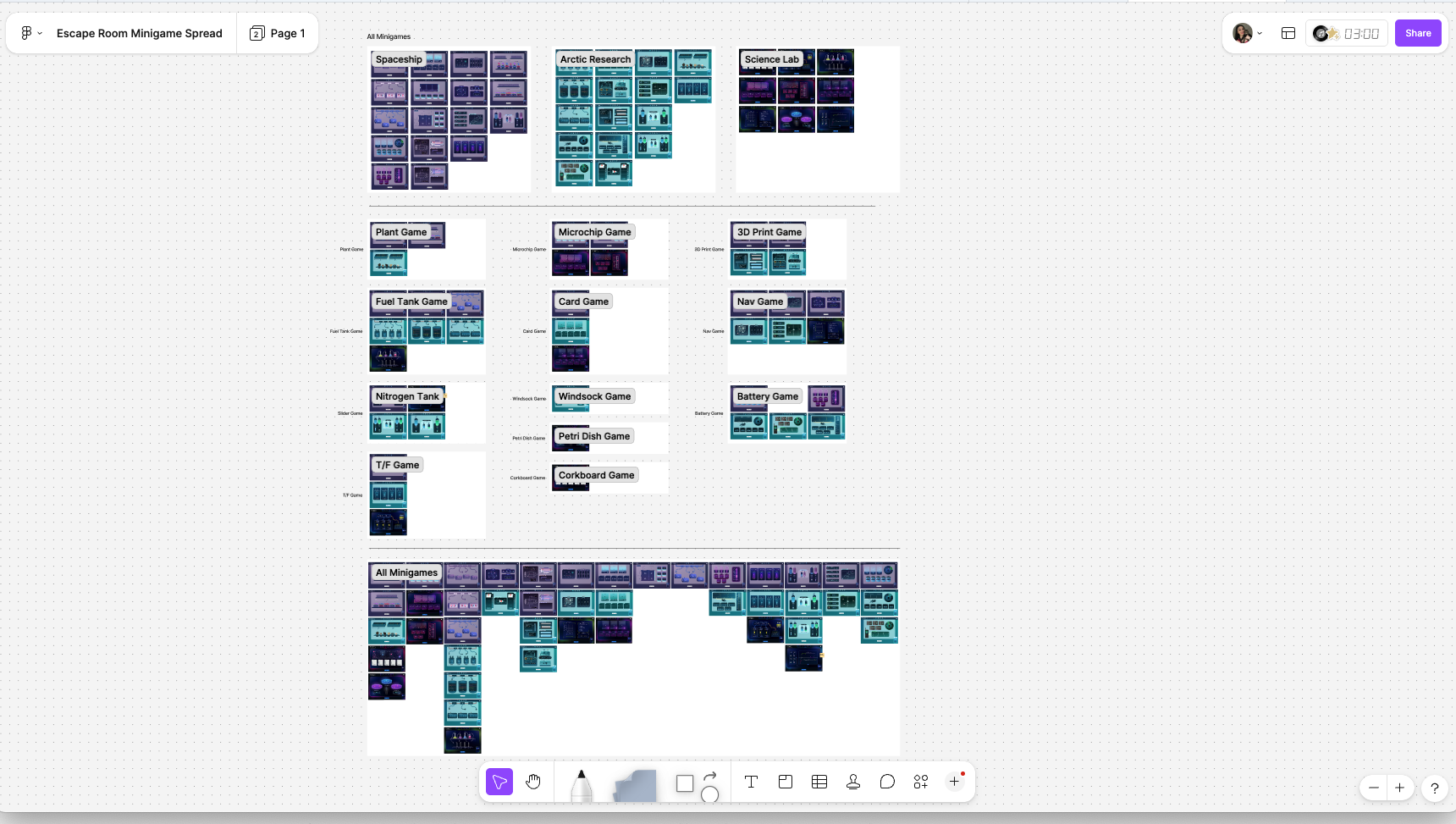
Drawing on research from teachers and students, we designed a scalable Escape Room system featuring four unique themes and over 64 mini-games. The goal was to transform traditional digital practice into an experience that felt playful, motivating, and classroom-ready, while remaining aligned with curriculum standards.
I led UX and minigame visual design, defined the interaction model, and partnered closely with engineering to deliver a large-volume game system within a tight timeline.
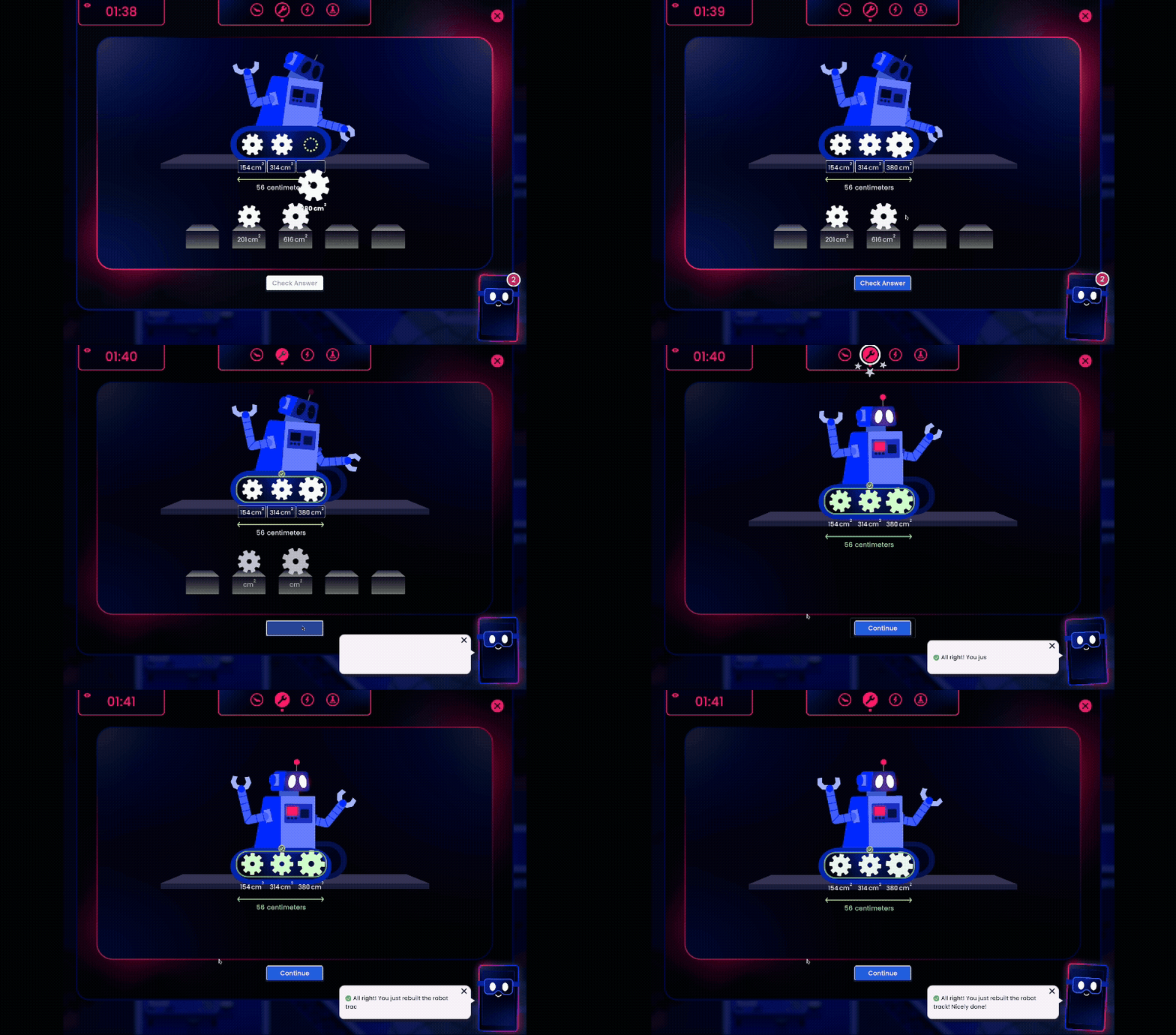
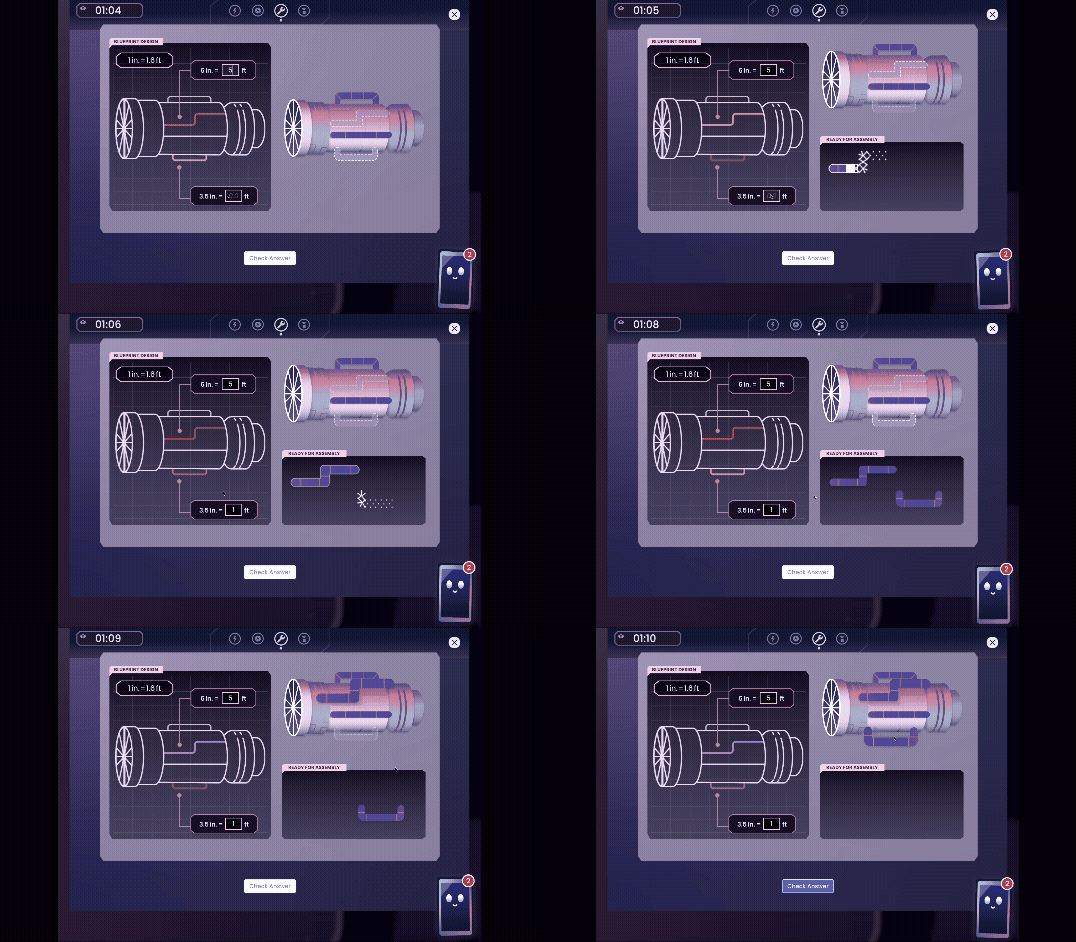
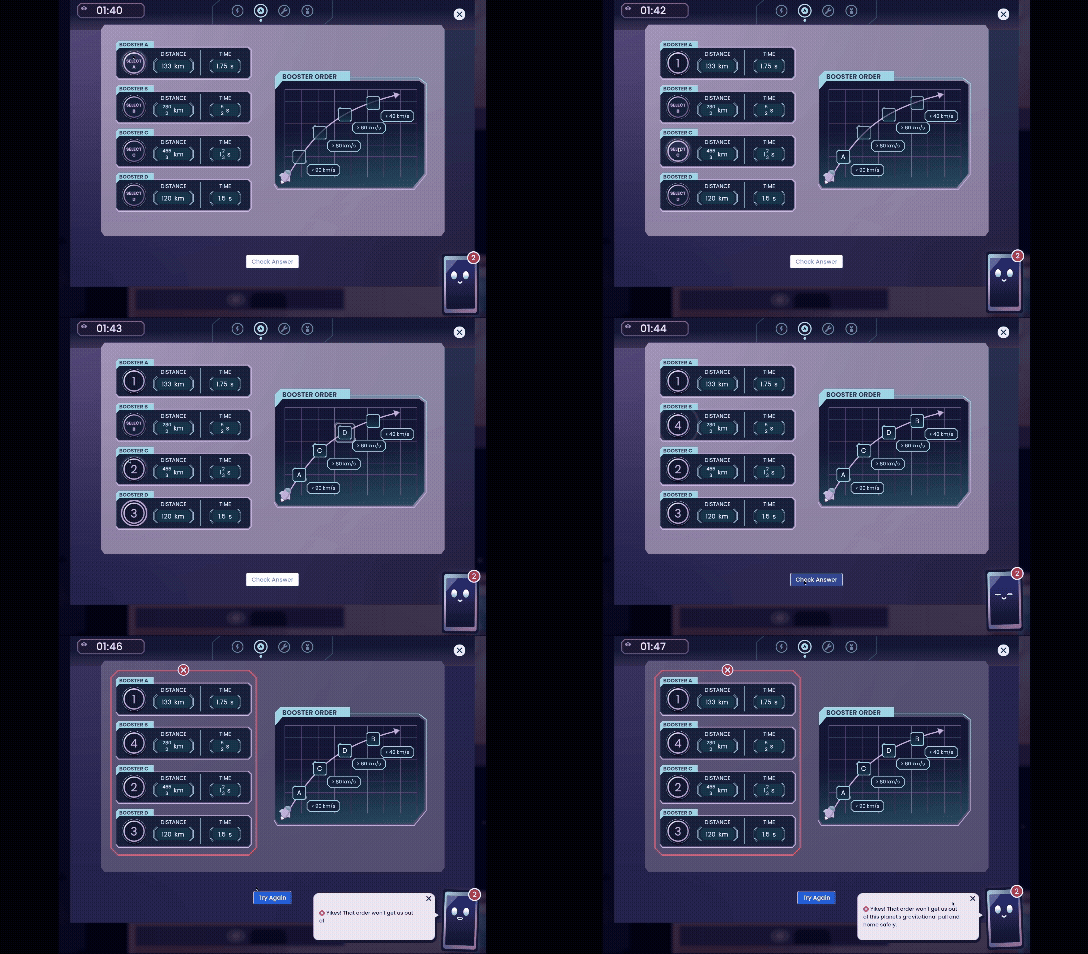
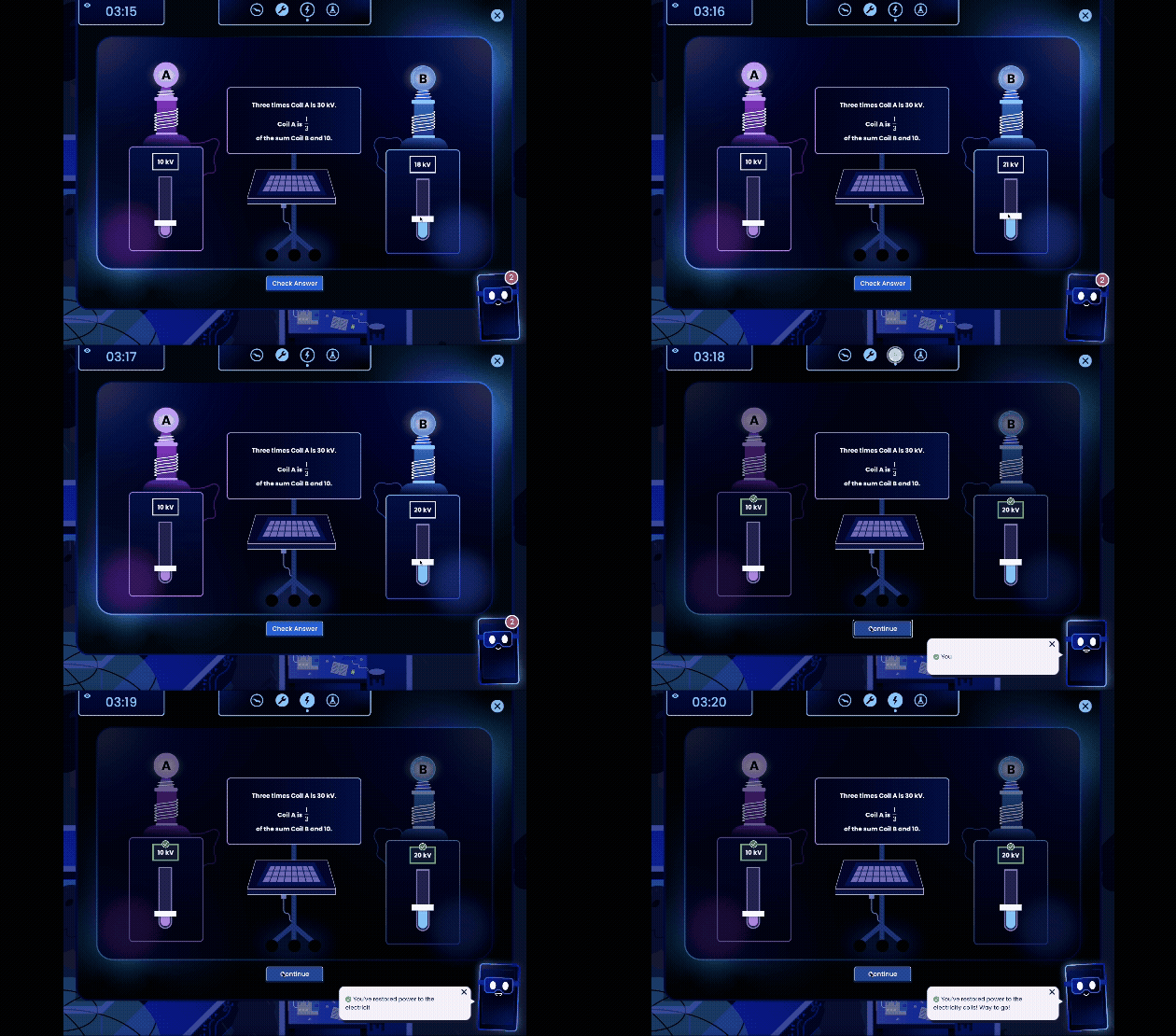
Interactive Robot Gear Mini-Game for our University Lab theme
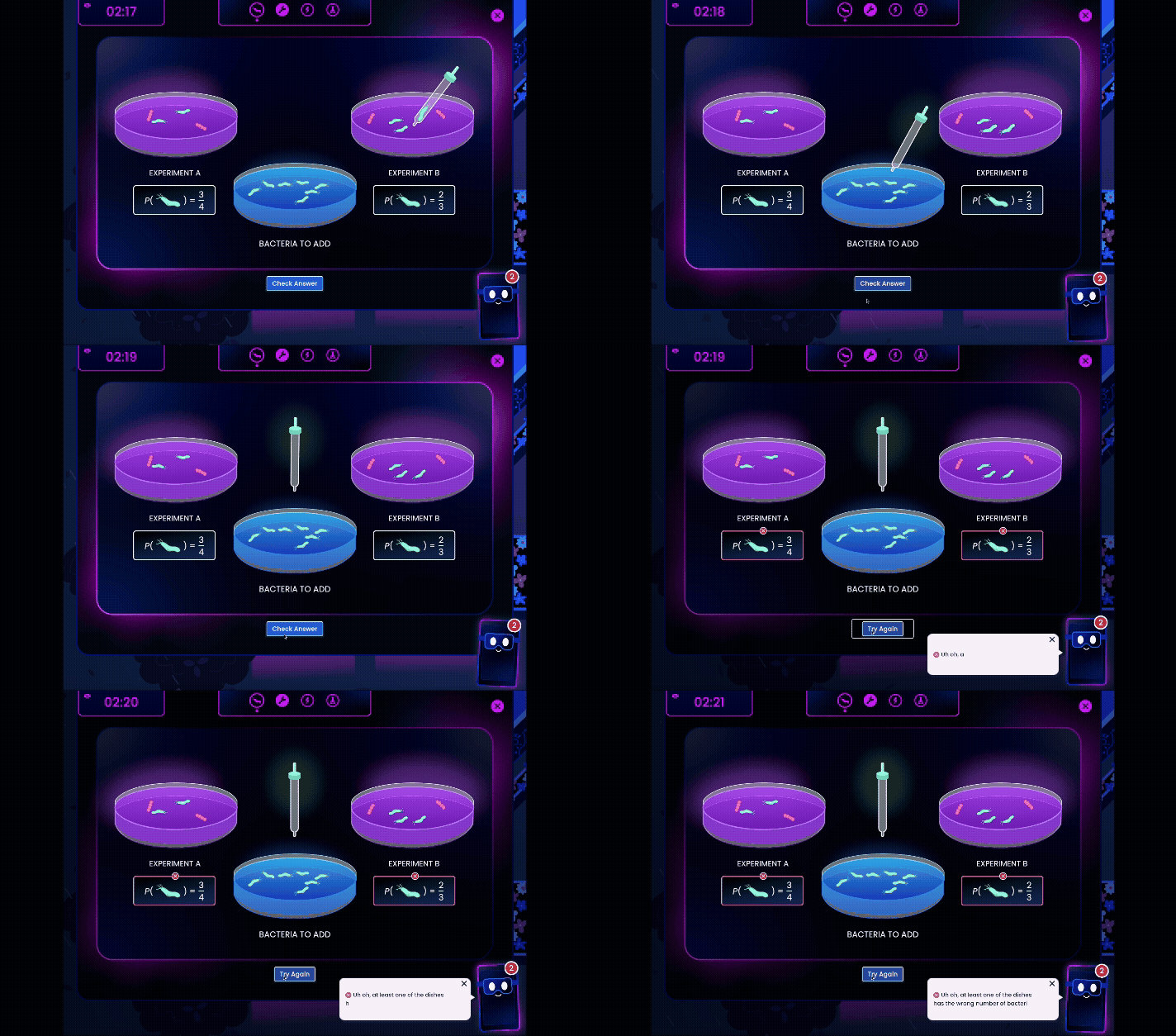
Petri Dish “Drag & Drop” Mini-Game for our University Lab Escape Room
Problem
Teacher research revealed that student engagement was the #1 concern, with over 60% of educators requesting digital math games to improve motivation and participation.
Existing digital practice experiences felt static and disconnected from how students engage with modern games. Teachers needed tools that could excite students while still supporting instructional goals.
Key challenges:
Low student engagement with current digital practice
Limited immersive or game-like experiences
Need for classroom-ready tools aligned to the curriculum
Large content requirements within a short timeline
My Role
As lead product designer, I was responsible for:
Defining the overall Escape Room UX and visual direction
Designing interaction patterns and game flow
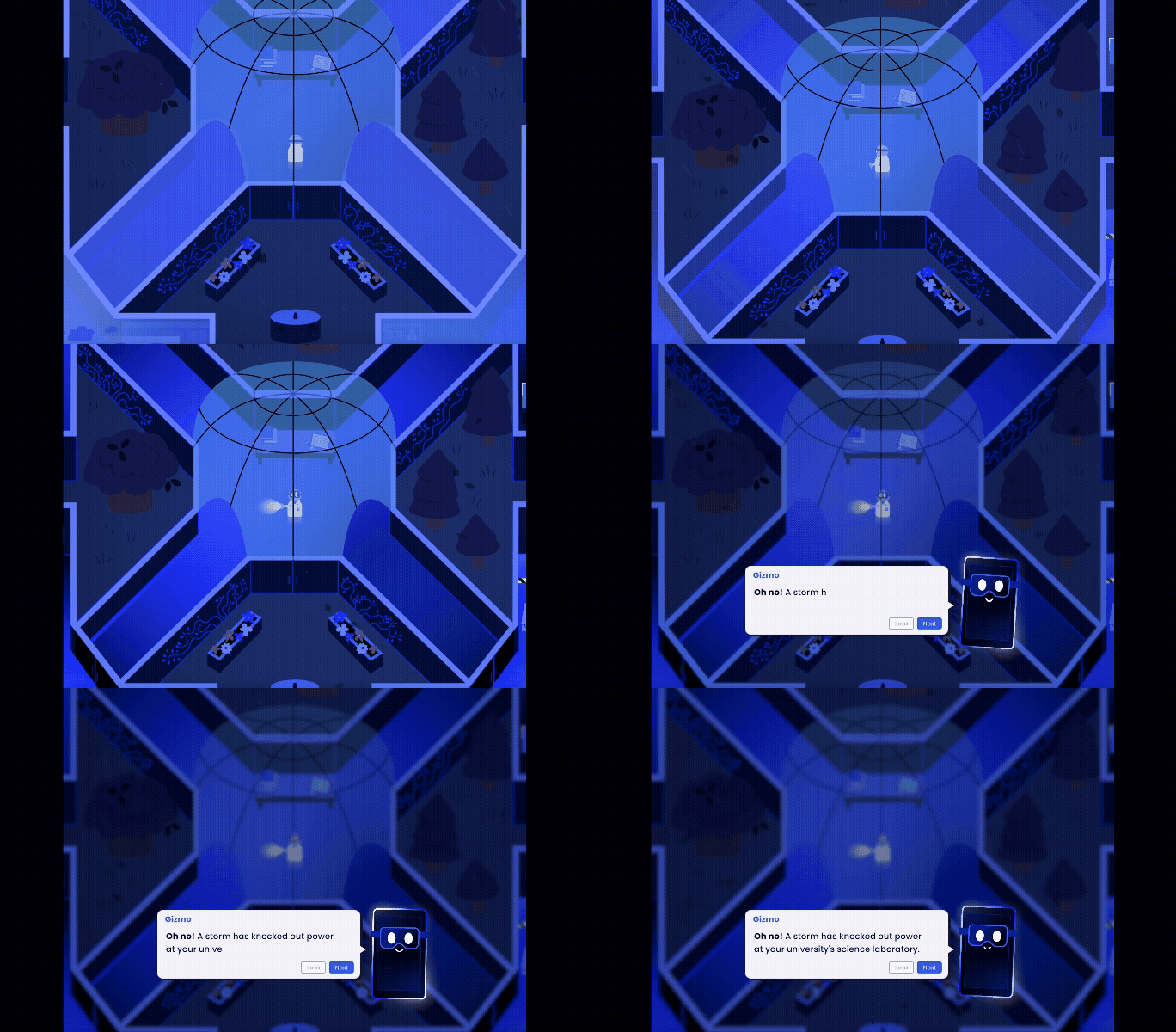
Creating four themed environments
Developing a custom illustration system
Applying modern game UI trends (including dark mode)
Partnering with engineering on feasibility and implementation
Managing design handoff in Figma
Helping scope and prioritize 64 mini-games
Research & Insights
Inputs
Teacher feedback and engagement research
Student behavior observations
Platform requirements from engineering
Key Insights
Students respond strongly to immersive, narrative-driven experiences
Game-like interfaces increase motivation
Teachers need plug-and-play classroom tools
Replayability matters for sustained engagement
Visual polish directly impacts student excitement
Solution
Design Approach
We created a modular Escape Room system featuring four immersive themes, modern UI patterns, and custom illustrations to elevate emotional engagement while maintaining educational integrity.
The experience was designed to feel closer to entertainment gaming than traditional ed-tech—without compromising learning outcomes.
Core principles:
Immersion through themed environments
Clear progression and feedback loops
Visually engaging interfaces (including dark mode)
Scalable structure for rapid content production
Seamless integration within CEL
Key Features
Four unique Escape Room themes
64 individual mini-games
Narrative-driven progression
Custom illustration system
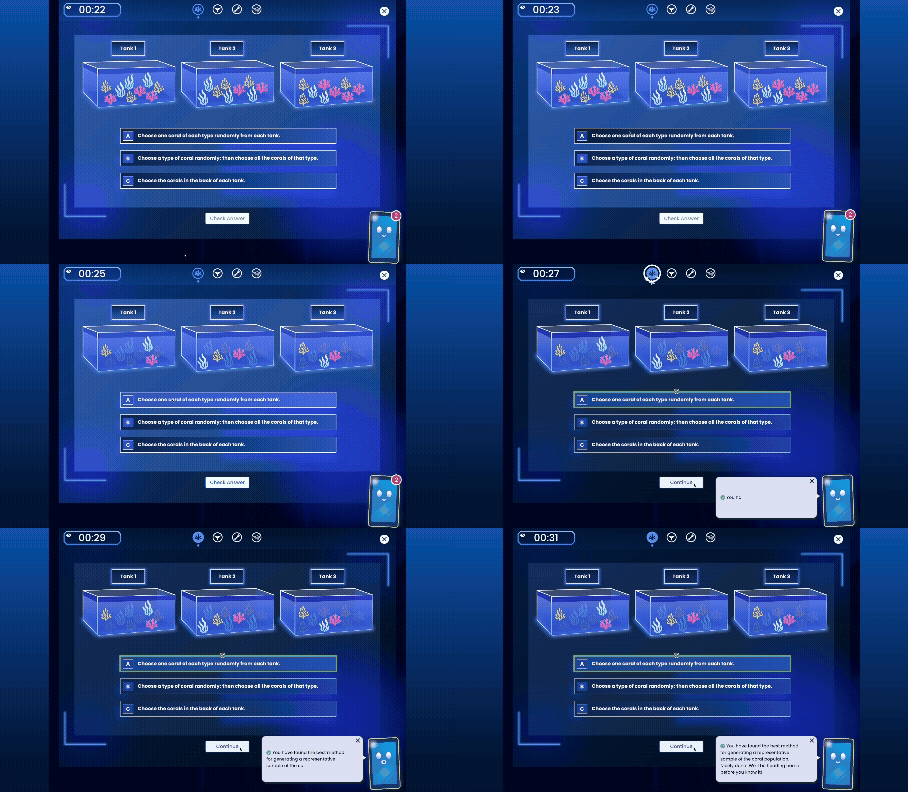
Game UI patterns optimized for student engagement
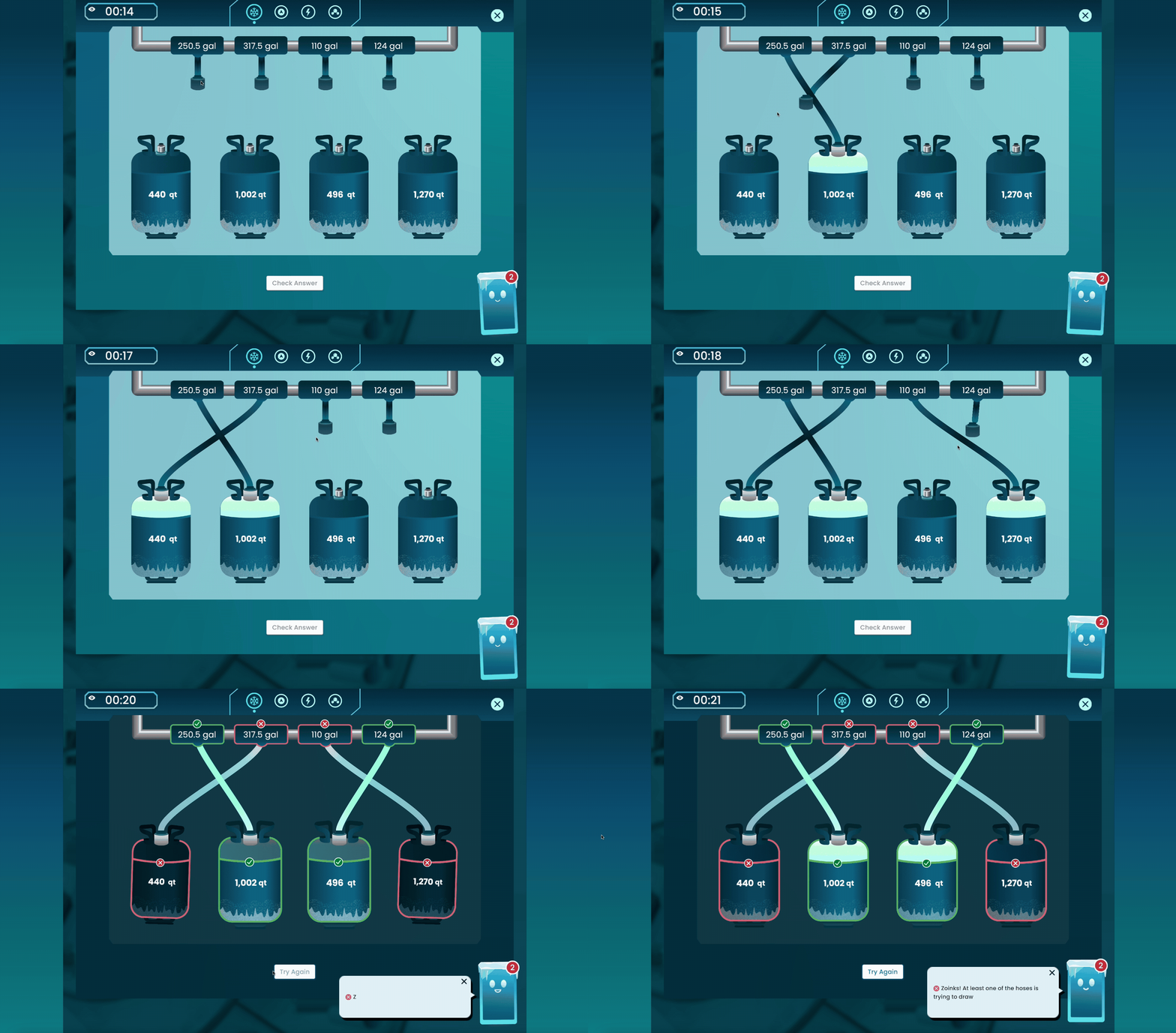
Each game followed a consistent interaction model to ensure usability while allowing visual variety across themes.
Impact
Successfully launched four Escape Room themes
Delivered 64 mini-games in 6 months
Strong qualitative feedback from both teachers and students
Teachers expressed excitement to use the experience in classrooms
Demonstrated ability to design at scale under tight timelines
Reflection
This project highlighted the importance of balancing creativity with delivery realities.
Key learnings:
Designing for engagement requires emotional design, not just usability
Scalable systems are critical when producing large volumes of content
Early engineering collaboration enables faster execution